Roof Replacement overview
A roof replacement is more than new shingles. Done right, it means stripping the old layers, checking every sheet of decking, and rebuilding the parts you never see: ice and water barrier, underlayment, flashing, drip edge, and ventilation. Those hidden layers are what keep water out when the weather turns.
Western Pennsylvania is hard on roofs. Heavy snow sits for weeks, freeze-thaw cycles open small gaps, and ice dams push meltwater back under the shingles at the eaves. A new roof here needs to be built for that, with extra protection along the edges, valleys, and around chimneys.
Leveled Up Construction handles roof replacements for houses, garages, and commercial buildings in Sharpsville and Mercer County. We walk the roof with you, explain your material options in plain terms, put the estimate in writing, and clean up the property when the job is done.
What a Roof Replacement Includes
- 01
Full tear-off
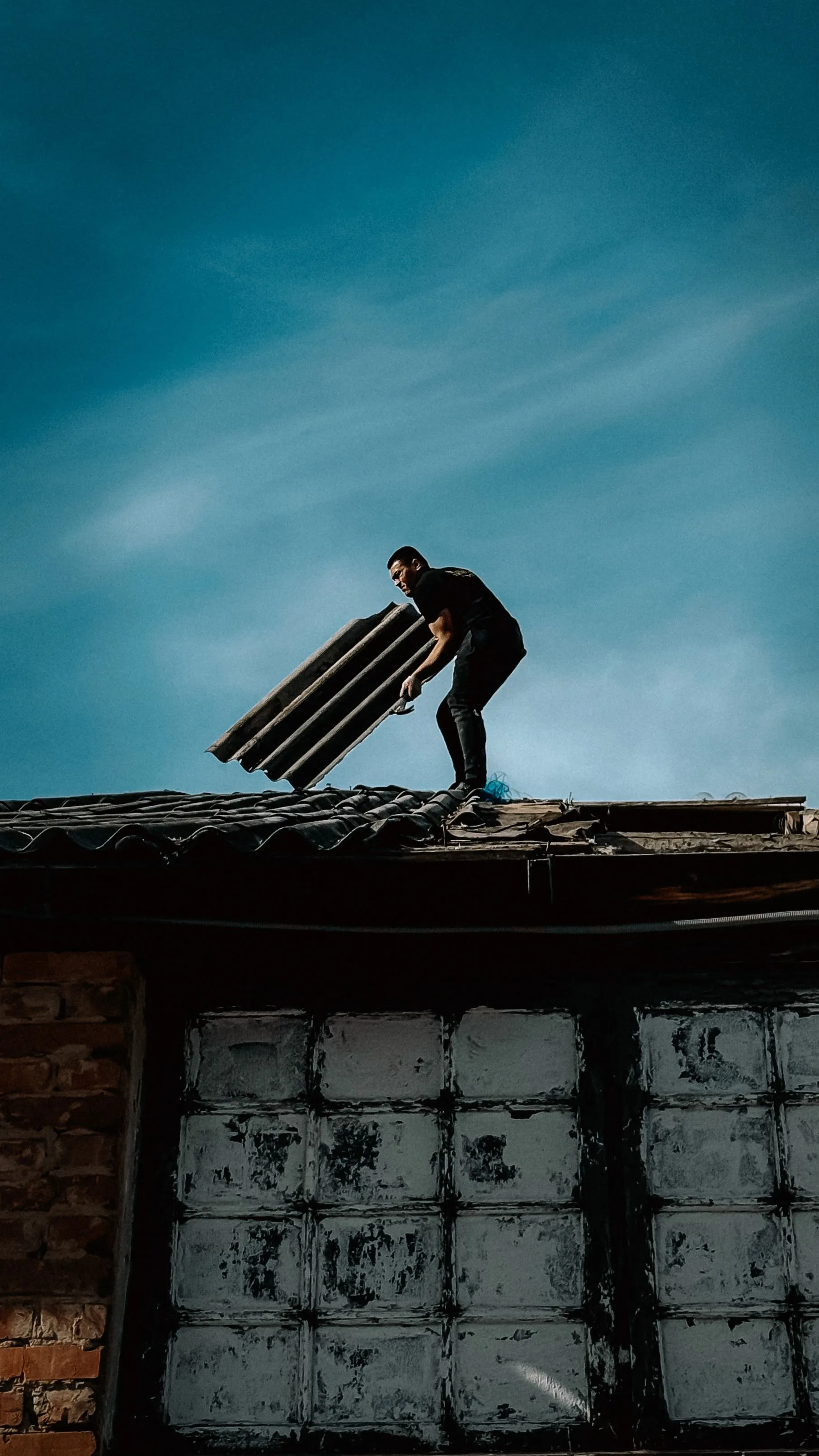
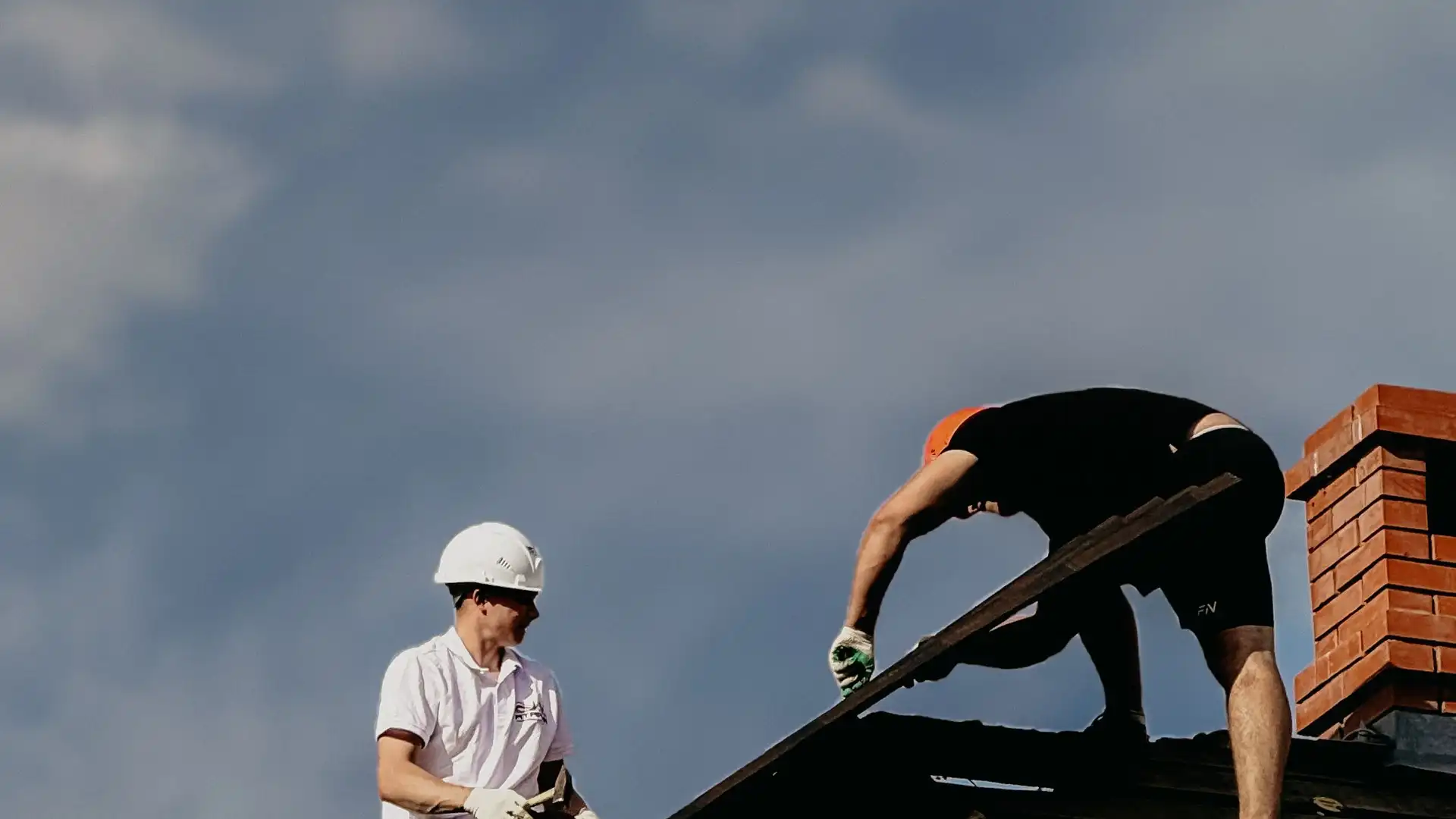
We remove the old shingles, underlayment, and flashing down to the roof deck. That lets us see the actual condition of the wood instead of covering problems with another layer.
- 02
Deck inspection and repair
Soft, rotted, or delaminated sheathing gets cut out and replaced with new decking. A solid, flat deck is what the rest of the roof depends on to stay tight.
- 03
Ice and water barrier plus underlayment
Self-adhering ice and water barrier goes along the eaves, valleys, and around penetrations where ice dams and runoff hit hardest. Synthetic underlayment covers the rest of the deck.
- 04
New flashing and drip edge
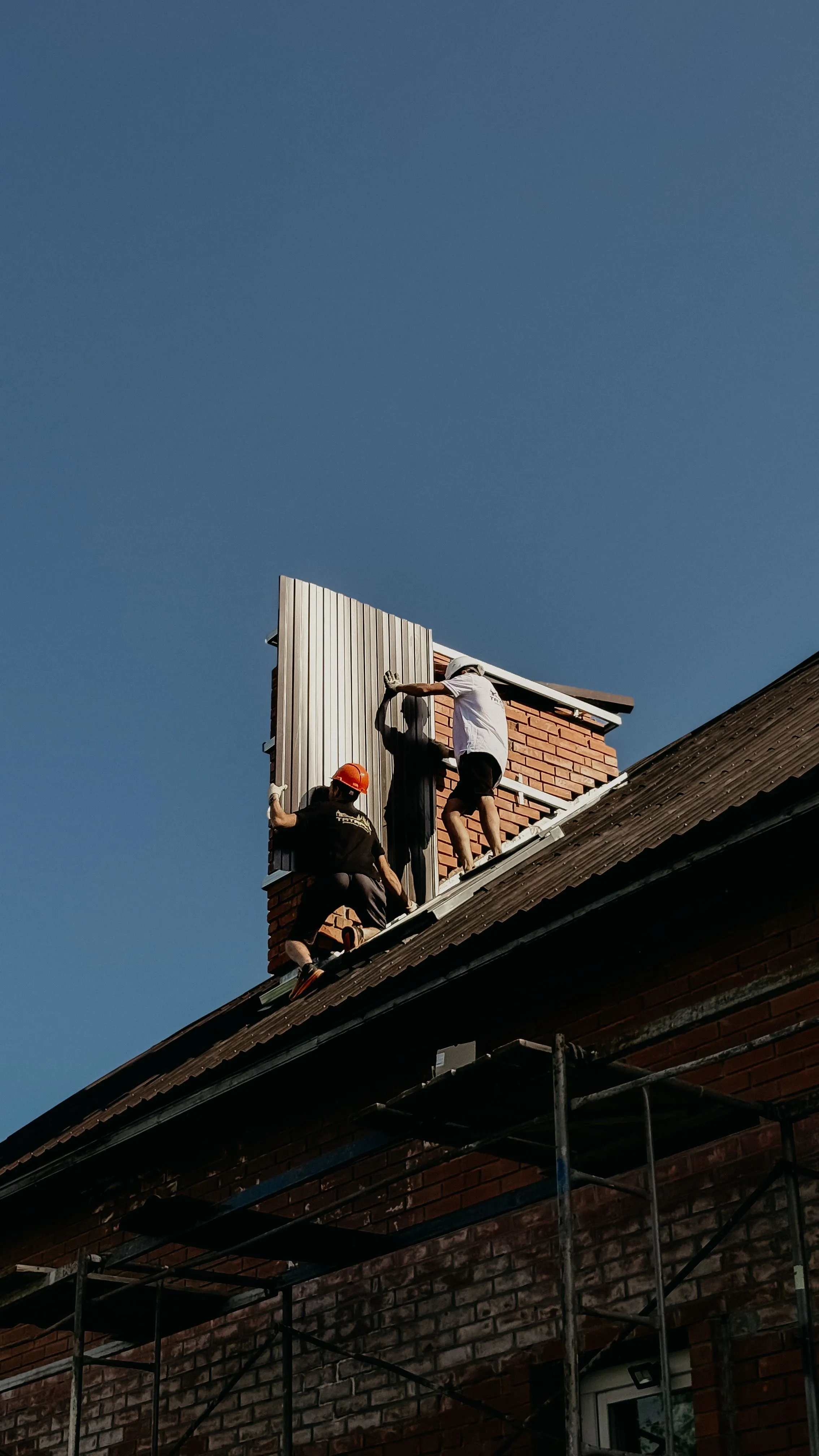
Chimneys, walls, skylights, and pipe boots get new flashing so the joints that leak most often are sealed properly. Drip edge guides water off the roof and into the gutters.
- 05
Ventilation
Balanced intake and exhaust ventilation keeps the attic cooler in summer and drier in winter. Good airflow helps prevent ice dams, moisture buildup, and early shingle wear.
- 06
Shingles or metal, then cleanup
We install architectural asphalt shingles or metal roofing to the maker's instructions, then sweep the yard and driveway with magnets for nails and haul away all the old material.
Signs It's Time to Replace Your Roof
- ✓ Shingles are curling, cracking, or missing in more than one area.
- ✓ You find granules from the shingles collecting in your gutters or at the downspouts.
- ✓ The roof line sags or the deck feels spongy when walked on.
- ✓ You have had more than one leak, or stains keep showing up on ceilings.
- ✓ Ice dams form along the eaves every winter.
- ✓ Daylight shows through the roof boards in the attic.
What Drives the Cost of a Roof Replacement
There is no honest flat price for a roof until someone has been on it. These are the things that move the number up or down.
- Roof size and pitch
- More square footage means more material and labor. Steep roofs need extra safety setup and take longer to work on, which adds time to the job.
- Number of layers to remove
- Some older homes have two or more layers of shingles. Each layer adds tear-off labor and disposal, and all of it has to come off before new work starts.
- Deck condition
- Rotted or damaged sheathing has to be replaced before the new roof goes on. Nobody can know how much until the old roof is off, so we explain how that is handled up front.
- Material choice
- Architectural asphalt shingles and standing-seam metal are priced very differently. Your choice depends on budget, how long you plan to stay, and the look you want.
- Complexity and penetrations
- Valleys, dormers, chimneys, skylights, and multiple roof levels all take more cutting, flashing, and labor than a simple roof with two flat planes.
The fastest way to a real number is a free on-site estimate. You’ll get a written scope you can compare line by line. Prefer to talk first? Contact Leveled Up Construction or call (724) 718-3939.