Siding overview
Siding is the skin of your house. When it cracks, warps, or pulls loose, water gets behind it and goes to work on the sheathing, framing, and insulation. In western Pennsylvania, freeze-thaw cycles and wind-driven rain find every gap, so small problems rarely stay small for long.
We work with the three materials that make the most sense around here: vinyl for low upkeep and budget, fiber cement for durability and a painted look, and engineered wood for a real wood appearance that holds up better than traditional boards. We walk you through the tradeoffs before you decide.
A good siding job is mostly about what you never see. That means a sound wall, a properly lapped weather barrier, flashing at every window, door, and roofline, and trim details that shed water instead of trapping it. We look at all of it before the new siding goes up.
What Our Siding Work Includes
- 01
Full siding replacement
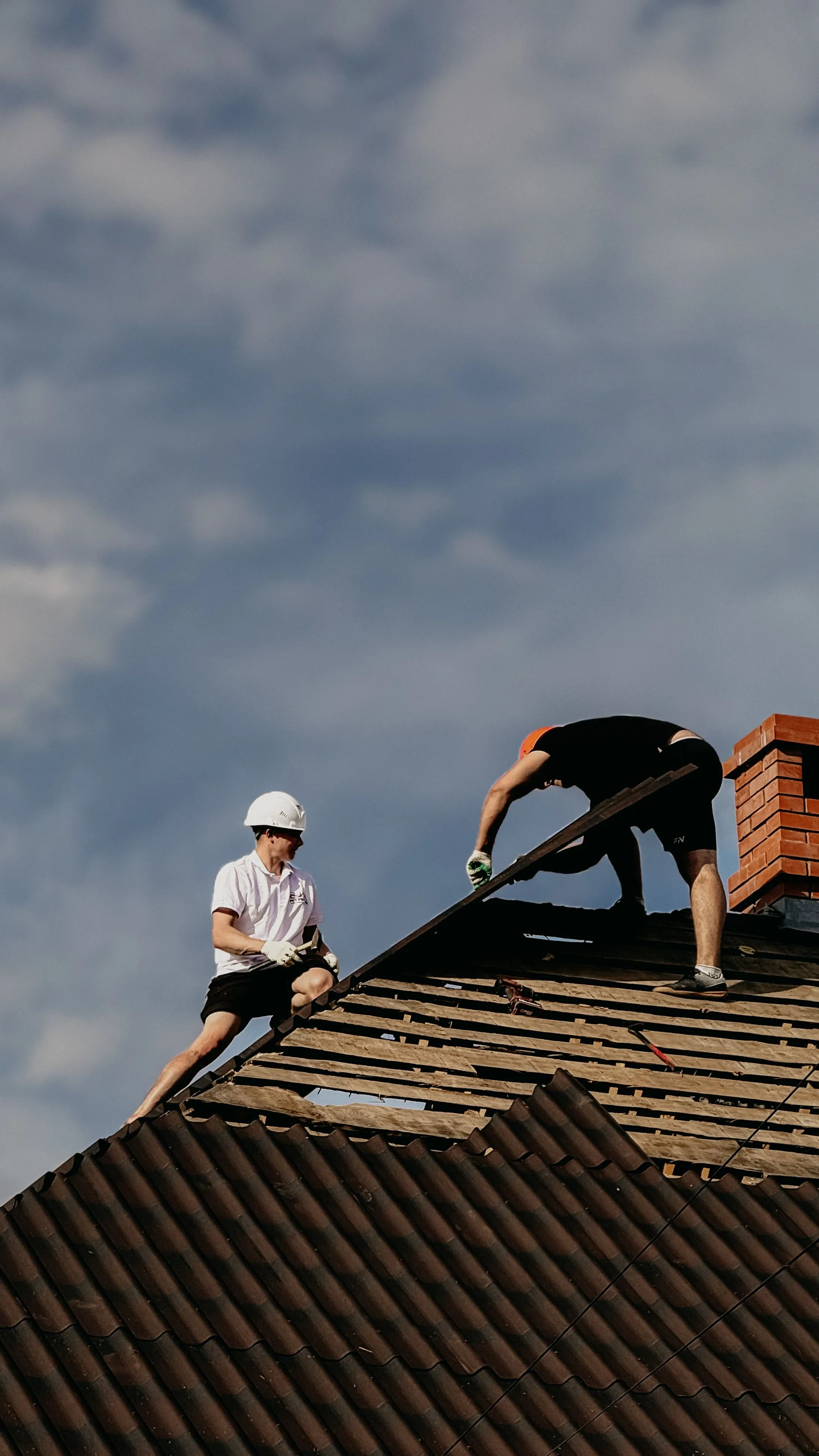
We remove the old siding down to the sheathing, repair any soft or rotted areas, install new house wrap, and put up new siding with proper fastening and expansion gaps for the material.
- 02
Siding repair
Storm damage, a cracked panel, or a section chewed up by a mower can often be fixed without residing the whole house. We match profile and color as closely as the material allows.
- 03
Flashing and weather barrier
Windows, doors, roof-to-wall joints, and decks are where water gets in. We flash and tape these spots correctly so the siding is a rain screen, not the only line of defense.
- 04
Trim, soffit, and fascia
We replace or wrap worn trim, soffit, and fascia so the whole exterior is finished together. Vented soffit also helps attic airflow, which matters for ice dams in our winters.
- 05
Insulation upgrades
When the old siding is off, it is the easiest time to add rigid foam or insulated backer. We will tell you whether it makes sense for your walls and your goals.
Signs Your Siding Needs Attention
- ✓ Panels are cracked, warped, buckled, or coming loose after wind.
- ✓ You see soft spots, peeling paint, or stains on interior walls behind the siding.
- ✓ Wood or composite boards are swelling, splitting, or growing mold and mildew.
- ✓ Old vinyl has faded unevenly or turned brittle and chalky.
- ✓ Your heating and cooling bills climbed and the house feels drafty near outside walls.
- ✓ You are tired of scraping and painting the same siding every few seasons.
What Drives the Cost of Siding
There is no honest flat price for siding until someone has measured your walls and looked at what is underneath. These are the factors that move the number.
- Material choice
- Vinyl, fiber cement, and engineered wood differ in material cost and labor. Fiber cement is heavy and needs special cutting, while vinyl goes up faster with lighter equipment.
- Size and shape of the house
- Total wall area matters, but so do gables, dormers, bump-outs, and corners. A two-story house with lots of angles takes more time and more trim than a simple ranch.
- Tear-off and wall condition
- Removing one or more old layers takes labor and disposal. Rotted sheathing or framing found during tear-off has to be repaired before new siding goes on.
- Trim and accent details
- Window and door trim, corner boards, shakes in the gables, soffit, and fascia all add materials and labor. They also make a big difference in how the finished house looks.
- Insulation and wrap
- Adding rigid foam or insulated siding raises the upfront cost but can improve comfort. Every job gets a weather barrier, and the type you choose affects the price.
The fastest way to a real number is a free on-site estimate. You’ll get a written scope you can compare line by line. Prefer to talk first? Contact Leveled Up Construction or call (724) 718-3939.